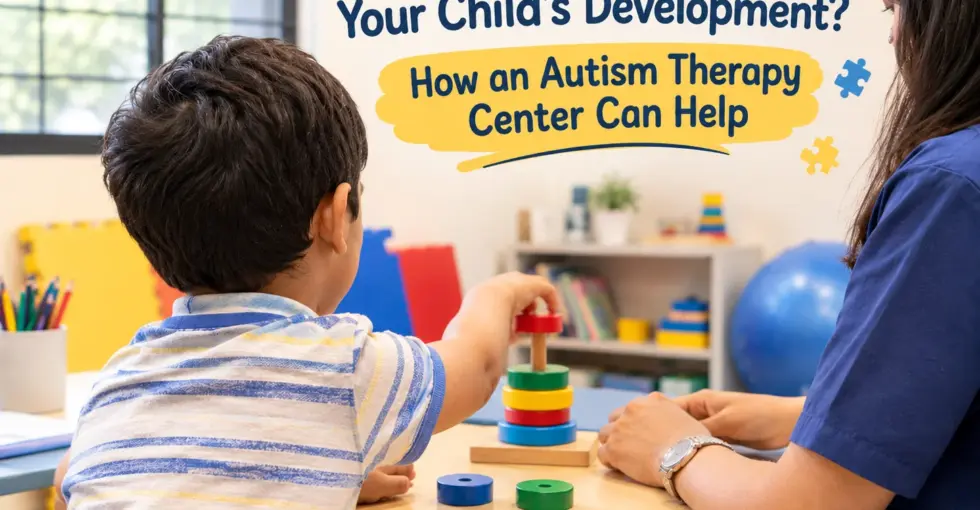

A child who does not consistently respond when their name is called, communicates differently, repeats certain actions or finds changes in routine difficult may leave parents with questions about their development.
Parents may wonder whether these differences are part of an individual developmental pattern or whether their child needs additional support.
Every child develops differently. However, ongoing differences in communication, social interaction, play or behaviour may benefit from professional assessment.
Autism Spectrum Disorder (ASD) is a neurodevelopmental condition. It can influence how a person communicates, interacts with others, processes sensory information and experiences their surroundings. Autism presents differently in each individual, so support needs also vary.
An autism therapy centre may offer developmental and therapeutic support based on a child’s individual strengths, needs and goals.
This article explains common developmental characteristics associated with autism, the assessment process, available therapy approaches and ways parents can support their children at home.
What Is Autism Spectrum Disorder?
Autism Spectrum Disorder (ASD) is a neurodevelopmental condition associated with differences in social communication and interaction, along with restricted or repetitive patterns of behaviour, interests or activities.
It is called a spectrum because autism does not look the same in every child.
For example:
- One child may communicate using gestures, pictures or an assistive communication system.
- Another child may use spoken language but find certain social situations difficult to understand.
- Some children may prefer predictable routines or have strong interests in particular subjects or activities.
- Some may experience differences in how they respond to sounds, lights, textures or other sensory experiences.
Autistic children have different abilities, preferences and support needs. A child’s communication style or behaviour should be understood in the context of their overall development rather than judged against a single expectation.
When Can Autism-Related Characteristics Become Noticeable?
Autism-related developmental differences may become noticeable during early childhood. Some parents observe differences during infancy or toddlerhood, while others notice them as social, communication or learning expectations change.
There is no single age at which every autistic child is identified.
A child’s developmental history, communication, behaviour and interaction patterns are considered during an assessment. Developmental screening can help identify children who may need further evaluation, but screening alone does not establish an autism diagnosis.
If you have ongoing concerns about your child’s development, discuss them with a qualified healthcare professional rather than relying only on online checklists or comparisons with other children.
What Are Some Common Signs Associated With Autism in Children?
Autism can involve a combination of developmental characteristics. These may differ from one child to another and can change as the child grows.
Some characteristics parents may notice include:
- Communication differences: A child may use fewer gestures, communicate differently, have delayed spoken language or find it difficult to express their needs.
- Social interaction differences: They may approach shared activities differently, find back-and-forth interaction difficult or show differences in how they share interests with others.
- Repetitive movements or behaviours: Some children repeat words, sounds or movements, arrange objects in particular ways or prefer familiar activities.
- Preference for routines: Changes in activities, surroundings or daily schedules may cause discomfort or distress.
- Sensory differences: Certain sounds, lights, textures, smells, tastes or clothing may feel unusually intense or uncomfortable.
- Different play patterns: A child may have particular interests, prefer specific ways of playing or interact with toys differently from other children.
Not every autistic child will show all these characteristics. Some of these behaviours can also occur in children who are not autistic.
One behaviour on its own does not confirm autism. A qualified professional considers the child’s overall developmental pattern and history before reaching a diagnosis.
Can Autism Present Differently in Girls and Boys?
Autism can present differently across individuals, including girls and boys.
Some girls may learn to imitate social behaviours or observe how other children interact. This can sometimes make their developmental differences less noticeable in certain settings.
However, there is no single way autism presents in girls or boys. Assessment should consider the individual child’s communication, behaviour, experiences and developmental history rather than relying on gender-based assumptions.
Why Is Early Developmental Assessment Important?
Early childhood involves the development of communication, movement, play, learning and everyday skills.
When parents notice ongoing developmental differences, an assessment can help clarify the child’s strengths and areas where additional support may be useful.
The purpose of an assessment is not to compare a child with others or create unnecessary pressure. It is to understand the child’s developmental profile and identify suitable next steps.
Depending on the concerns, a professional may recommend:
- A developmental assessment.
- A speech and language evaluation.
- An occupational therapy assessment.
- A hearing evaluation, where indicated.
- Further assessment by a qualified professional experienced in autism diagnosis.
The appropriate assessment pathway depends on the child’s age, developmental history and individual presentation.
Parents do not need to wait until a child starts school before discussing persistent developmental concerns.
How Is Autism Diagnosed in Children?

Autism diagnosis involves a detailed evaluation by appropriately qualified professionals.
The assessment may consider:
- The child’s early developmental history.
- Communication and social interaction.
- Repetitive behaviours and patterns of interest.
- Sensory experiences and responses.
- Observations of the child’s behaviour and interaction.
- Information shared by parents or caregivers.
- Other developmental or health-related considerations.
There is no single blood test or routine brain scan that independently confirms autism.
Developmental screening tools may help identify children who need further evaluation, but they are not a substitute for a comprehensive diagnostic assessment.
If a child has lost words, gestures or other skills they previously used, parents should discuss this with a healthcare professional promptly.
A diagnosis should be made by an appropriately qualified professional using a recognised clinical assessment process.
How Can an Autism Therapy Centre Support a Child?
An autism therapy center provides structured developmental support based on a child’s individual strengths, needs, and challenges.
The first step should not be choosing a particular therapy simply because another child has benefited from it. It should be understanding your child’s development and identifying meaningful goals.
A suitable autism treatment center may involve different professionals working together. Depending on the child’s needs, support may include communication development, daily living skills, social interaction, sensory support, learning, and behaviour-related goals.
For parents, this also means receiving practical guidance on how to support the child at home and in everyday situations.
- Applied Behavior Analysis (ABA) & Behavioral Modification: Focuses on autism therapy for behavior, helping kids replace self-injurious habits or tantrums with positive routines and functional communication.
- Pediatric Speech Therapy: Focuses on autism therapy for kids struggling with verbal output, helping them transition from crying or grunting to using words, gestures, or picture exchange systems (PECS).
- Occupational Therapy (OT) & Sensory Integration: Balances sensory processing. If a child gets overwhelmed by loud sounds or clothing textures, OT calms their fight-or-flight reactions.
- Social Skills & Special Education: Targeted autism therapy for social skills guides children through turn-taking, interactive play, and classroom readiness.
Is There a Cure for Autism? What Should Parents Know?

Autism is a lifelong neurodevelopmental condition. There is currently no established medical cure that removes autism.
However, individualised developmental, educational and therapeutic support may help some children develop skills, communicate their needs, participate in everyday activities and access suitable learning environments.
The goals of support should be meaningful to the child and family. They may involve communication, daily living skills, learning, comfort, participation or independence.
Medication does not cure autism. A qualified doctor may consider medication for certain co-existing medical conditions or specific concerns when clinically appropriate.
Parents should be cautious about programmes or products that promise to cure autism, guarantee speech development or claim the same results for every child.
Before starting an intervention, ask the professional to explain:
- The purpose of the intervention.
- The goals being addressed.
- The evidence and limitations of the approach.
- Possible risks or discomfort.
- How progress will be reviewed.
- How the child’s preferences and well-being will be respected.
How to Choose an Autism Therapy Centre in Jalandhar
When parents search for autism therapy in Jalandhar or an autism treatment centre near them, it is important to understand how the centre approaches assessment, therapy and family involvement.
Some factors to consider include:
- Professional qualifications: Ask about the qualifications, relevant training and scope of practice of the professionals who will work with your child.
- Individualised support: Therapy goals should reflect the child’s assessment, abilities, preferences and support needs.
- Clear therapy objectives: The centre should explain what each intervention is intended to address.
- Progress communication: Parents should receive understandable updates about the child’s participation, goals and progress.
- Parent involvement: Ask how families can participate in planning and supporting everyday activities.
- Child comfort and safety: The child’s dignity, communication, sensory needs and emotional well-being should be considered during sessions.
- Coordination of care: Where multiple professionals are involved, ask how they communicate about the child’s goals and support plan.
- Fees and session arrangements: Understand the proposed frequency, costs and review process before making a decision.
Parents can also ask how the centre handles concerns, reviews therapy goals and adjusts support when a child’s needs change.
The choice of an autism therapy centre should be based on relevant professional qualifications, transparent information and the suitability of its approach for the child.
Developmental Support Services at Bright Horizon Child Development Center, Jalandhar
Bright Horizon Child Development Center is identified in the supplied institutional information as a unit of Apricus Health Care India Pvt Ltd.
The centre’s service information lists developmental support areas including:
- Autism-related developmental support
- Speech therapy
- Occupational therapy
- ABA-based support
- Sensory-related support
- Behavioural support
- Special education
The supplied information also describes services for children between 2 and 15 years of age.
The type of support appropriate for a child depends on their developmental assessment, individual goals and the qualifications and scope of practice of the professionals involved.
Before publication, the centre’s current service list, age range, professional qualifications, facility details and service availability should be confirmed against official records.
When Should Parents Seek Professional Advice?

Consider discussing your concerns with a qualified healthcare or child development professional if you consistently notice differences in your child’s:
- Communication or language development
- Social interaction
- Play and shared activities
- Response to changes in routine
- Behaviour or sensory experiences
- Development of everyday skills
A loss of previously acquired words, gestures or other abilities should be discussed with a healthcare professional promptly.
A professional can help determine whether developmental screening, a comprehensive assessment or additional support may be appropriate.
Seeking an assessment does not mean making assumptions about a child. It is a way to understand their development and identify any support they may need.
Conclusion
Every child has their own way of communicating, learning, playing and responding to the world.
When parents notice developmental differences, understanding the child’s individual strengths and support needs is more useful than comparing them with others.
Autism assessment and developmental support may involve different professionals and approaches, depending on the child’s needs. Speech and language therapy, occupational therapy, behavioural support and educational assistance may be considered as part of an individualised plan.
The purpose of support should be to help children communicate, participate, learn and develop skills in ways that respect their individuality and well-being.
Medical information notice: This article is intended for general educational purposes only. It does not replace a developmental assessment, medical diagnosis or individual treatment advice. Autism diagnosis and therapy planning should be undertaken by appropriately qualified professionals.
Frequently Asked Questions
- What are some early signs of autism in children?
Some children may show differences in communication, social interaction, play, repetitive behaviours or sensory responses. These characteristics vary between individuals. A developmental assessment is needed to understand whether a child may be autistic or require other support.
- At what age can autism be diagnosed?
Autism-related differences may become noticeable during early childhood, but the age of identification varies. A qualified professional can assess a child’s developmental history and current presentation to determine whether diagnostic evaluation is appropriate.
- Does every child with autism need therapy?
Not necessarily. Support should be based on the child’s individual needs, strengths, preferences and goals. Some children may benefit from specific developmental or educational support, while others may need different forms of assistance.
- Is autism therapy always play-based and child-led?
Therapy approaches differ according to the intervention, the child’s age and the goals being addressed. Play may be used in some developmental activities, but it would not be accurate to describe every therapy programme as entirely play-based or child-led. The centre should explain how it considers the child’s interests, comfort and participation.
- Can an autistic child attend a regular school?
Some autistic children attend mainstream schools, while others may benefit from specialised educational settings or additional support. The appropriate environment depends on the child’s learning profile, communication, individual needs and the accommodations available.
- Can therapy help an autistic child develop communication skills?
Speech and language therapy and other communication-focused approaches may support a child’s ability to understand and express messages. Communication may involve spoken language, gestures, pictures or assistive communication methods. Outcomes vary, and spoken language cannot be guaranteed.
- Does every autistic child need ABA therapy?
No. ABA is one possible intervention approach, not a requirement for every autistic child. Decisions should consider the child’s needs, family preferences, the goals of the intervention and the approach used by the professional.
- How can occupational therapy support autistic children?
Depending on the assessment, occupational therapy may address daily living activities, fine motor skills, coordination, participation in routines and sensory-related needs. The specific goals should be based on the child’s individual requirements.
- Is autism more common in boys than girls?
Autism is identified more frequently in boys in many studies, but girls can also be autistic. Differences in how autism is recognised and assessed may affect identification. Individual developmental characteristics should be considered rather than relying on gender-based assumptions.
- How can parents support an autistic child at home?
Parents can support communication, play and everyday participation by responding to the child’s communication, following their interests, using helpful routines and understanding sensory preferences. Strategies should be adapted to the child’s needs and discussed with relevant professionals when additional guidance is required.